 Allison Biesboer
Summary
The Design Engine is an agentic partner powering better product experiences at Visa. Embedded in the Visa Agentic Toolchain, the company’s centralized agentic workflow, the Design Engine is a set of capabilities that improves products as they get built. It makes sure they are:
- Fit-for-purpose: built to represent the voice of the customer
- Brand-aligned: aligned to the Visa Product Design System and best-practice standards
- Accessibility-optimized: better aligned to Visa’s accessibility standards (VGAR) and the global Web Content Accessibility Guidelines (WCAG)
- AI strategy
- AI governance
- AI ethics
- design systems
- accessibility
User needs & pain points
Product builders need a faster way to create Visa experiences without losing design quality, accessibility, brand consistency, or product-specific context. They need design guidance built into the workflow, especially when dedicated design expertise isn’t readily available.
Our goals
The Design Engine aims to make design quality a built-in part of how Visa products are created, bringing the right capabilities and standards into the workflow at the right moment. It supports the full cycle, from understanding context and defining the experience through building, reviewing, and refining it.
The team
The Design Enablement team is a cross-functional team spanning design experience, content, operations, communications, adoption, design engineering, accessibility, research, and measurement. We work closely with the VATC team so that our capabilities are built into the broader product workflows.
Contribution
On the Design Engine, I lead design experience, technical communications, and adoption, and I’m the team’s content design expert.
“At Visa, [Allison] formed a strategic POV on AI early and played a pivotal role in steering our content and broader design teams toward new skilling, conversational design, and agentic work.”
A former team member who reported to me at Visa
Content design agents
I create the content design agents within the Design Engine itself. There are currently two:
- Content Design Agent: authors best-practice product content that’s clear, human, readable, and approachable, and aligns its voice to the Visa brand.
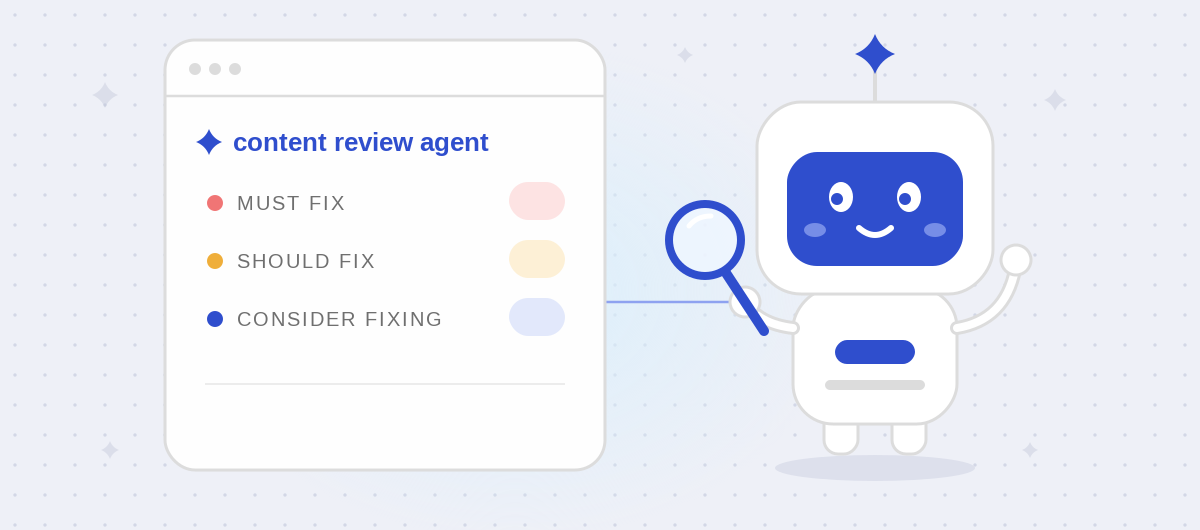
- Content Review Agent: self-evaluates the content across those same areas and uses heuristics to score the work as must fix, should fix, or consider fixing.

- agentic systems
- prompt engineering
- generative AI
- content design systems
AI workflow and LLM orchestration
I work to improve the Design Engine through AI governance and prompt engineering, especially where it concerns in-flow content, the product content generated as experiences get built.
- AI workflows
- LLM orchestration
- AI governance
- prompt engineering
The Design Engine website
I build and maintain the Design Engine’s core website.
- UX & product design
- information architecture
- documentation
- publication
VATC Hub
I’m in the process of rebuilding the VATC Hub, the core learning site for Visa Agentic Toolchain users.
- information architecture
- documentation
- content operations
- UX writing
- UX & product design
Demos and adoption
I drive adoption of the Design Engine by creating and delivering demos.
- presentations
- public speaking
- communication
Impact
The desired outcome is that teams can move faster while still producing experiences that are fit-for-purpose, brand-aligned, accessible, and consistently high quality. For Visa, excellent experiences contribute to ROI, revenue, and customer loyalty.
Longer term, the Design Engine shifts design from a step teams have to remember to add to a pervasive capability that’s automatically baked into the product development process. This represents a shift away from slow, manual craft, with the tools taking care of the first pass. It will never replace the decision-making and judgment that designers bring to products, but it can help improve design quality so product builders can focus on the heavy lifting, such as the overall strategy.